
The Future Of Hospitality Key Industry Trends Shaping Hotel Furniture In 2026 And Beyond
sourceKaram Spaces
publisherKaram Spaces
time2026/02/04
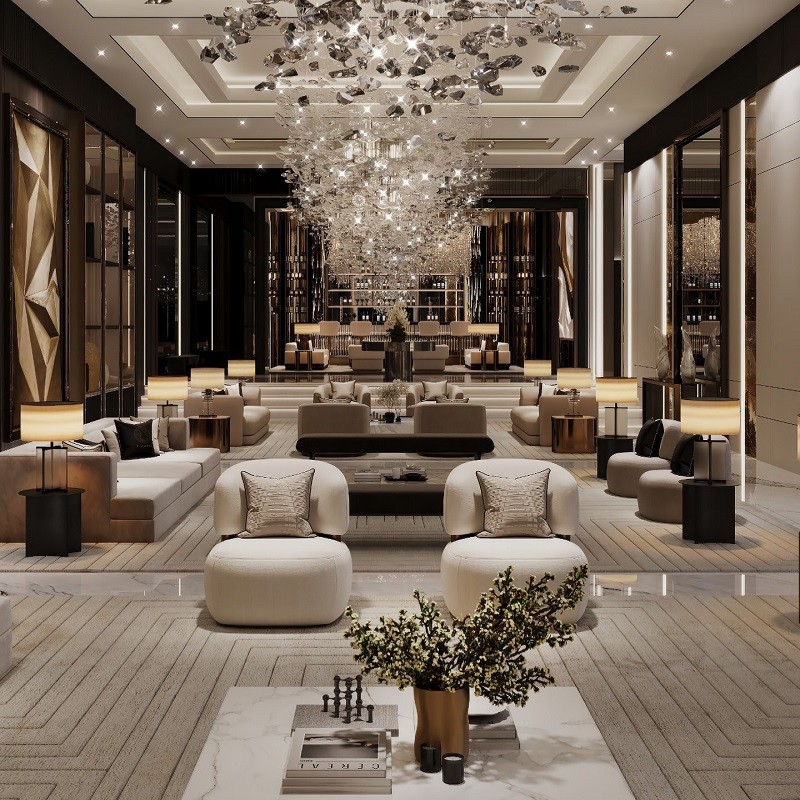
- By 2026, hotel furniture embraces tech (smart beds, charging surfaces), sustainability, and custom designs.
As we move through 2026, the global hospitality industry continues to evolve at a remarkable pace, driven by changing guest expectations, technological advancements, and a renewed focus on sustainability. For hotel furniture manufacturers and hospitality professionals, understanding these trends is essential for creating spaces that not only meet current demands but also anticipate future needs. This exploration examines the most significant developments influencing hotel furniture design and selection worldwide.
The Evolution of Guest Expectations
Modern travelers are no longer satisfied with merely functional accommodations; they seek immersive experiences that enhance their well-being and reflect their values. This shift has fundamentally transformed hotel furniture requirements, moving beyond traditional aesthetics to incorporate elements that support holistic guest experiences. Hotels now recognize that furniture serves as more than just practical items - it becomes an integral part of the brand narrative and guest journey.
This evolution is particularly evident in how hotels approach bedroom design. The centerpiece of any hotel room, the sleep system, has undergone significant innovation to address growing concerns about rest quality and health. Modern hotel beds now incorporate advanced support systems, hypoallergenic materials, and temperature-regulating technologies that create optimal sleeping environments. These developments reflect a broader industry trend toward health-conscious design that prioritizes guest wellness through every element of the hotel experience.
Technological Integration in Furniture Design
The integration of smart technology into hotel furniture represents one of the most transformative trends in contemporary hospitality design. What began with simple USB charging ports has evolved into sophisticated systems that enhance both guest convenience and hotel operational efficiency. Today's forward-thinking hotels are incorporating furniture with embedded technology that creates seamless, personalized experiences.
These technological advancements extend across all hotel areas. In guest rooms, smart furniture might include beds with sleep tracking capabilities, desks with integrated wireless charging, and wardrobes with automated lighting. Public areas feature sofas with built-in device charging, tables with interactive surfaces, and seating with environmental controls. This technological integration represents a fundamental shift from furniture as passive objects to active components of the guest experience ecosystem.
Sustainability as a Design Imperative
Environmental responsibility has transitioned from optional consideration to essential requirement in hotel furniture specification. The global hospitality industry's commitment to sustainability is driving innovation in materials, manufacturing processes, and product lifecycles. Leading hotels now prioritize furniture that demonstrates environmental stewardship throughout its entire existence - from responsible sourcing to end-of-life recyclability.
This sustainability focus manifests in several key areas. Material selection increasingly favors certified sustainable woods, recycled metals, and eco-friendly upholstery options. Manufacturing processes emphasize energy efficiency and waste reduction, while product designs prioritize durability and reparability to extend furniture lifespans. The circular economy model, where materials are continuously reused and recycled, is becoming increasingly important in hotel furniture procurement decisions.
Personalization and Customization Trends
The demand for personalized guest experiences is driving increased customization in hotel furniture. Rather than selecting standardized items from catalogues, hotels are increasingly working with manufacturers to create bespoke pieces that reflect their unique brand identity and specific operational requirements. This trend toward customization allows hotels to differentiate themselves in competitive markets while optimizing furniture for their particular spaces and guest demographics.
Customization possibilities now extend far beyond simple color or fabric choices. Hotels can specify unique dimensions to maximize space utilization in compact rooms, incorporate brand-specific design elements, and integrate specialized features that enhance guest comfort. This collaborative approach between hotels and furniture manufacturers represents a significant shift toward partnership-based relationships that yield truly distinctive hospitality environments.
Health and Safety Considerations
The global health landscape has permanently altered hotel furniture requirements, with increased emphasis on hygienic materials, easy-to-clean surfaces, and designs that promote physical distancing when necessary. Furniture manufacturers have responded with innovations that address these concerns without compromising aesthetic appeal or comfort.
Key developments in this area include antimicrobial fabrics and finishes, modular furniture systems that can be easily reconfigured, and touchless technology integration. These features not only address immediate health concerns but also contribute to long-term guest confidence in hotel cleanliness and safety standards. The ongoing importance of health considerations ensures these features will remain integral to hotel furniture design for the foreseeable future.
Global Market Dynamics and Regional Variations
While certain trends have global relevance, their implementation varies significantly across different markets and regions. Understanding these regional variations is crucial for furniture manufacturers serving international hotel clients. Design preferences, material requirements, and functional needs differ based on cultural contexts, climate conditions, and local hospitality traditions.
Successful global manufacturers develop product lines that maintain core quality standards while offering regional adaptations. This might involve climate-appropriate materials for different environments, culturally resonant design elements, or size variations to accommodate different space norms. The ability to balance global consistency with local relevance represents a key competitive advantage in today's international hospitality market.
Looking Ahead: The Future of Hotel Furniture
As we look toward the future, several emerging trends promise to further transform hotel furniture. Biophilic design principles that incorporate natural elements, adaptive furniture that responds to user needs, and sustainable material innovations will continue to gain importance. Additionally, the integration of artificial intelligence and data analytics will enable increasingly personalized furniture experiences that anticipate and respond to guest preferences.
For hotels seeking to stay ahead of these developments, partnering with forward-thinking furniture manufacturers becomes increasingly valuable. These partnerships enable hotels to implement the latest innovations while ensuring their furniture investments remain relevant and effective for years to come. The ongoing evolution of hotel furniture reflects the broader transformation of hospitality itself - from transactional accommodation to curated experience, with furniture serving as both functional necessity and experiential enhancement.